Vices: Quarantined's Most Ambitious Chapter Yet "Vices Is About Not Feeling Alone at Its Core": A Conversation With Quarantined
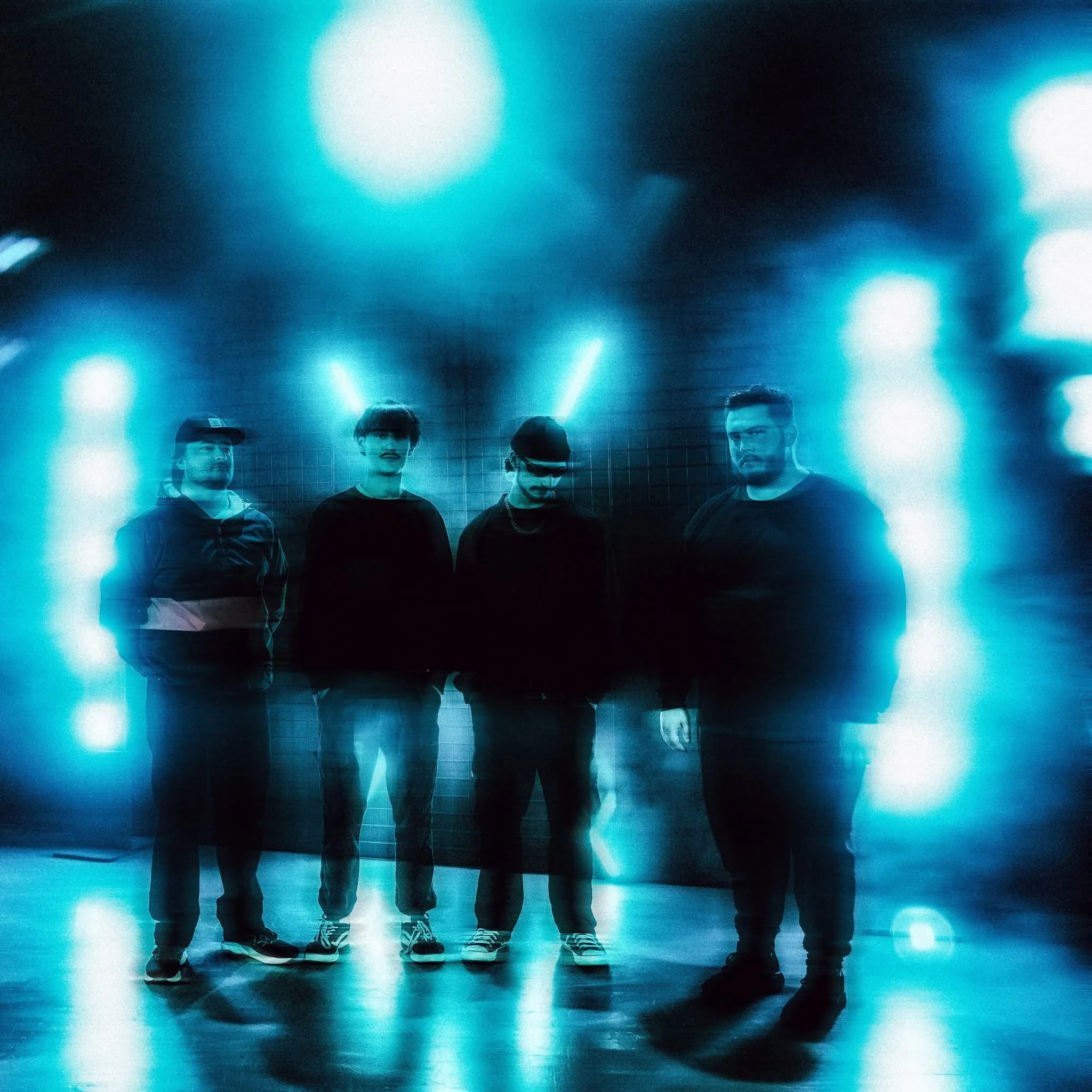
Five years is a long time to spend working on a record, but for Quarantined, Vices was never something they wanted to rush. The New England metalcore band spent years rebuilding songs, revisiting old ideas, and figuring out exactly what they wanted this EP to say. Centered around addiction, recovery, and the cycle of self-destructive behavior, Vices digs into some heavy subject matter while showcasing the band's most focused and fully realized work to date. From producing the EP themselves to crafting a story that unfolds from beginning to end, every detail was carefully considered. I caught up with Quarantined to talk about the long road behind Vices, the challenges of bringing it to life, and the message they hope listeners take with them after the final track fades out.
You spent nearly five years working on Vices. Was there ever a point where you thought, “We need to stop tweaking this and finally put it out into the world”?
There were multiple times where we had this conversation over the years. The first version of this EP is totally unrecognizable to what it is today, in every way. I think once the changes started becoming very minor, and we all found ourselves nitpicking the record, we realized it’s finally time. We could keep tweaking minor changes for months, and then hear the song so many times that we’re sick of it, scrap it completely to make a new song, and then nitpick that one to death. I think we made the right decision on how long we waited, because the songs would not be where they are today without all of the previous attempts.
The EP explores addiction and self-destructive behaviors. What inspired you to tackle those themes, and was there a specific message you wanted to get across?
When discussing what we wanted to do for our sophomore release, we came to the conclusion that we wanted to do a concept album. The cycle of addiction was actually the very first thing we thought of as a group and we decided it was perfect. We found we wanted to write music about a subject that elicits strong moral emotions, while also speaking in advocacy of the disadvantaged addiction community. Our primary message: please speak up when you don’t feel okay. Please reach out to anyone, whether it be a friend or a stranger. Life can be miserable, but you don’t have to fight through the misery on your own. You are stronger than you think, and whatever changes you desire for yourself you can achieve. Our goal was for anyone struggling with addiction to hear this record and think to themselves “I’m not alone”, and for those not going through addiction to understand the brutal reality of it and how it can affect those around us. Vices is about not feeling alone at its core.
The title Vices carries a lot of weight. What does it mean to you, and why was it the right title for this collection of songs?
“We all have our vices” was something we kept saying to each other while trying to come up with the concept for the album. Vices is defined as immoral, degrading, or unhealthy habits that negatively impact your life. It's an umbrella term for any number of addictions someone could be going through. We felt that Vices was the perfect name for the record as it was vague enough to not single any one habit out. We wanted a title as straight to the point as the message we are trying to portray within.
You self-produced the EP. What were some of the biggest challenges you faced during that process, and what are you most proud of now that it’s finished?
I think the biggest challenge of self-producing was the fact that we were all learning as we went. We knew how we wanted the EP to turn out, but we were actively figuring out how to get there while recording it. The hardest part for me was taking the little parts that we kept from years-old versions of the songs, and making them fit into the final project. I had to go through dozens of project files for the same songs, just to find one guitar lead that we wanted to keep from the original demo. All that just to remember I was 16 when I recorded said guitar lead and it wasn’t anywhere near consistent with the quality that we were recording the final takes in. We spent a very long time picking our sound design, from guitar tones to drum sounds and even the variety of samples and synths that are buried under every track. It took us countless drafts of the record to even figure out what direction we wanted to go in instrumentally, not to mention the countless influences we all have. I’m proud of our team for persevering through every struggle that the last five years threw at us, and that we could all come together to make something we truly care about. I think we’re most proud of the fact that we got to the result that we did with no outside help, completely in the box. We successfully got to the quality we were striving for independently, and now once we collaborate for future releases, our knowledge will make that process much easier.
Which track on Vices fought you the hardest during the writing or recording process?
The final track “all that we know is lost” was by far the hardest song for us to complete, on both a technical and creative level. On the technical side of things, it was the song where I had to jump between project files the most. The song features well over 100 tracks, due to it being our most melodic and in-depth song. During the writing process, we had to separate the song between 3 project files because my laptop couldn’t handle adding more tracks. It was also the song that we struggled the most with on coming to an agreement on where we wanted it to go. We knew we wanted the final track to be different from the rest, and end on a very epic and emotional note. Most of the band comes from a much heavier musical background, where clean vocals are rare. The final vocal section, with our guitarist, Dan, delivering the screams and our lead vocalist, Ian, delivering the backing cleans, was originally the ending we had planned. Once the song was “finished”, our guitarist Coltin, who produced and recorded the record, felt it needed another detail and added the clean vocal hook over the clean guitar section in the middle of the song. The melody was freestyled and finalized by the second take, and the lyrics came together a few takes later.
Do you have a personal favorite track on Vices, and what makes it stand out to you?
Ian - Musically it would have to be “Rose Glass”. The ending breakdown and vocal run quickly became one of my favorite recording and musical moments from the EP. Personally, for different reasons, my favorite track is “Needle Crown”. The lyrics were meant to evoke feelings of discomfort and pain, and I love writing songs that are intended to elicit specific emotions.
Dan - I would say “DESIRE // DESIGN”. That song throughout the past five years has stayed the most consistent through all of our revisions and I think that it has the most direct lyricism and punishing instrumental on the entire album
If someone is discovering Quarantined for the first time through this release, which song from Vices would you tell them to start with, and why?
I would most definitely listen to the EP in order, beginning to end. All of the songs fade into one another seamlessly, with “Misery Blooms” being the intro track to “First Blood”. Since the EP is telling a story, we wanted each of the songs to flow into the next.
“First Blood” picked up some serious momentum before the EP dropped. Were you expecting that kind of response when you released it?
We were incredibly hopeful for a response like that, but didn’t truly think it would go as well as it did for us. We hadn’t released music in 5 years, and we were coming back with a very different sound from our first release. We played the song live a few times before it was released to test out crowd reaction, and it did very well at those shows. When we put out the first teaser for the song, it was immediately the most traction we ever had, but we still didn’t expect the overwhelming amount of love that the song received.
Looking back now that the full EP is out, do you feel “First Blood” was the right introduction to Vices? Why or why not?
I think we made the right decision because that song shows off what you can expect from the full release. It starts groovy, and makes you wait for the vocals to come in. The first lyric is one of the most powerful on the whole EP, and then before you know it, the guitars are 7 semitones lower than they were at the beginning of the song and you’re hearing a slow and open breakdown. The EP also tells a story, so releasing the first song in the story as the first thing that people will hear made the most sense to us. We didn’t have to decide between putting out the perfect lead single or forcing it to be the first song in the concept, it worked out to be both.
You were labeled one of the heaviest up-and-coming bands in New England early on. Did that reputation create any pressure when it came time to write Vices?
Absolutely. We’ve always tried to be as heavy as we could be, and one of the biggest goals for Vices was to be heavier than Dead Views. The most pressure came from ourselves. We would always push ourselves and each other to do better and push our voices and instruments past their limits, and that’s everything that you hear in Vices compared to Dead Views.
The band started in high school and spent years developing Vices. Looking back, what stands out as the biggest difference between the version of Quarantined that recorded Dead Views and the band people hear on Vices today?
There are two main differences. First, the production got better, which is a big reason Vices took a long time to be completed. We also had a few lineup changes between the two records. Our new vocalist, Ian, works as a mental health professional, so he could write all of the lyrics from a personal standpoint. We also added our second guitarist, Coltin, who took over the production of the EP.
If Vices had to be described as a film instead of an EP, what kind of movie would it be, and what scenes or imagery would define it?
It would certainly be a psychological horror film. We used lots of horror-style sound effects within the EP. If you understand what the lyrics are about throughout the EP, it’s a very scary and real topic as it is. We also had the idea very early on to have a dark, cloaked figure as the album artwork and be featured in the music videos. We designed the costume to be as unsettling as we could while still being humanlike.
A lot of listeners connect to your music through relatability. When you’re writing lyrics for Vices, do you think about that connection while creating, or does that meaning only fully appear once the songs are finished?
While I was writing the lyrics for the EP, I was working full time as a mental health counselor for people going through mental health crises and addiction. 100% of the lyrical content in Vices is based on my interactions with these individuals, and the pain that they endure on a daily basis. While creating the EP lyrically, it was much like following the stages of change theory that I utilize in my work. The journey begins with precontemplation, with the individual not even considering looking for treatment. Then the individual begins to actively contemplate and think about their involvement in treatment. While they are still fighting doubts, they prepare to face the battle that is abstinence. While the person engages in action on their plan, they face the wrath of withdrawals and dependency related pain. In the end, the person feels better, but something is missing. While they maintain their sobriety, the wading through this ‘unknown’, which is life while sober, brings the listener towards the end of the EP, feeling a mixture of anxiety and hope. - Ian
Was there a specific moment, lyric, or song on Vices where everything clicked, and you felt like the EP had finally become what it was meant to be?
“First Blood’s” opening line “I’m not fucking safe”, definitely clicked when I first heard it. It felt like we found what we had been looking for the past few years lyrically and it fit the tone of the EP perfectly. I’ll also never forget sitting in our studio while recording Ian on “all that we know is lost”, when he recorded the line “I have no support, and I’m all alone”. The reality of what we were making hit me and everything we had discussed about the concept for Vices had just come to life in front of me.
Now that Vices is out in the world, what feeling do you hope stays with listeners after the final track ends, long after the volume gets turned down?
Ian - A feeling of confidence to reach out if they feel like they need to. Other than that I hope our listeners feel slightly unnerved yet curious and hungry for more.
Jake - I’m hoping people feel the connection, because everyone knows someone or is someone that deals with addiction, and I hope they’re able to reach out to someone for support. I also want people to feel uneasy because the tone of the whole EP in my mind is unnerving and leaves a lot on the table.
Dan - Above all else, I want people to feel like they aren’t alone, that there’s always help, and there’s always people that will be there for you. Whoever this EP resonates with should know that they aren’t alone.
Coltin - I pushed to have 20 seconds of silence at the end of the last song, because the finale is so dramatic that I wanted the listener to be able to take in what they just heard, without another song auto-playing immediately after the last note. There is also an easter egg that connects the ending of the last song with the beginning of the intro track. If you repeat the EP, you’ll hear them together.
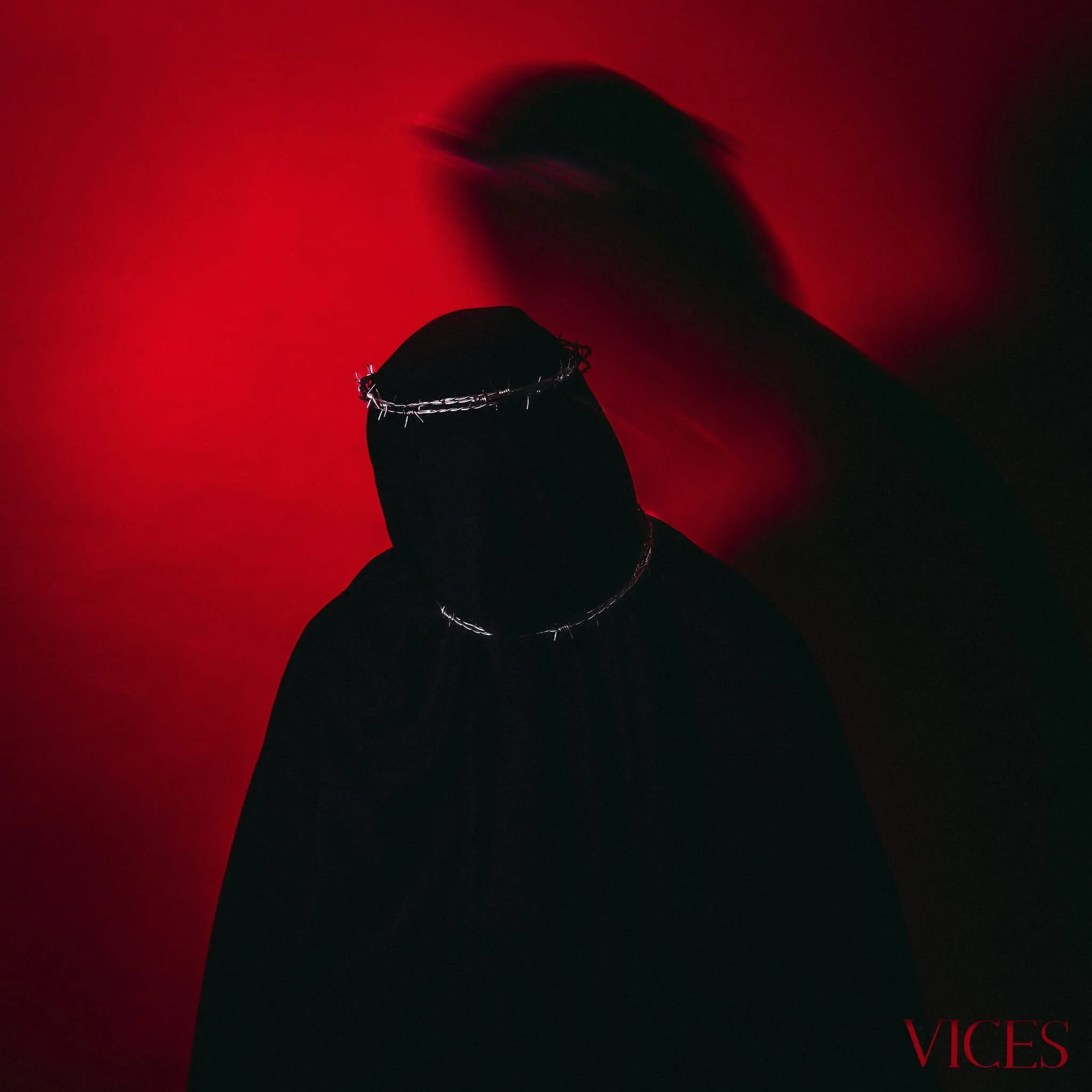
Stream “Vices” here
From the moment Vices starts, Quarantined makes it clear that this isn't a collection of songs just thrown together, but a record meant to be experienced from start to finish. Each track flows naturally into the next, creating a sense of momentum that keeps the listener locked into the story unfolding throughout the EP. Musically, the band balances breakdowns, down-tuned riffs, and moments of controlled chaos with an attention to atmosphere that gives the record surprising depth. While the heaviness never lets up for long, Vices feels just as concerned with creating tension and emotion as it does delivering impact.
Several tracks leave a lasting impression, including the dark and punishing "Needle Crown" and the relentless "DESIRE // DESIGN," which showcases the band's ability to combine groove with sheer intensity. The EP reaches its emotional peak on "all that we know is lost," a sprawling closing track that expands beyond the band's heavier tendencies and introduces melodic elements without sacrificing the weight of the record. Throughout Vices, Quarantined demonstrates a stronger sense of identity and purpose, using the EP's themes of addiction, isolation, and recovery to give the music substance beyond its aggressive exterior.
After nearly five years of work, Vices finally found its way into the world, and for Quarantined, the end result is about more than just the music itself. Throughout our conversation, the band repeatedly returned to the same idea: nobody should have to face their struggles alone. That message runs through every part of the EP, from its lyrics and storytelling to the emotions behind its heaviest moments. Built through years of trial and error, lineup changes, and countless revisions, Vices stands as the band's most ambitious release yet. For listeners willing to take the journey from beginning to end, it's a record that offers both confrontation and comfort, while reminding people that reaching out for help is a sign of strength, not weakness.